How should women build an office outfit?
Start with the office dress code, meetings, commute, and weather. Then build around blazers, shirts, work dresses, trousers, skirts, and comfortable shoes.
Compare blazer lines, trouser or skirt length, and color balance for your workplace. Confirm comfort, movement, and sizing with the actual clothes. Let the setting narrow the options, then compare color, silhouette, length, and layers visually.
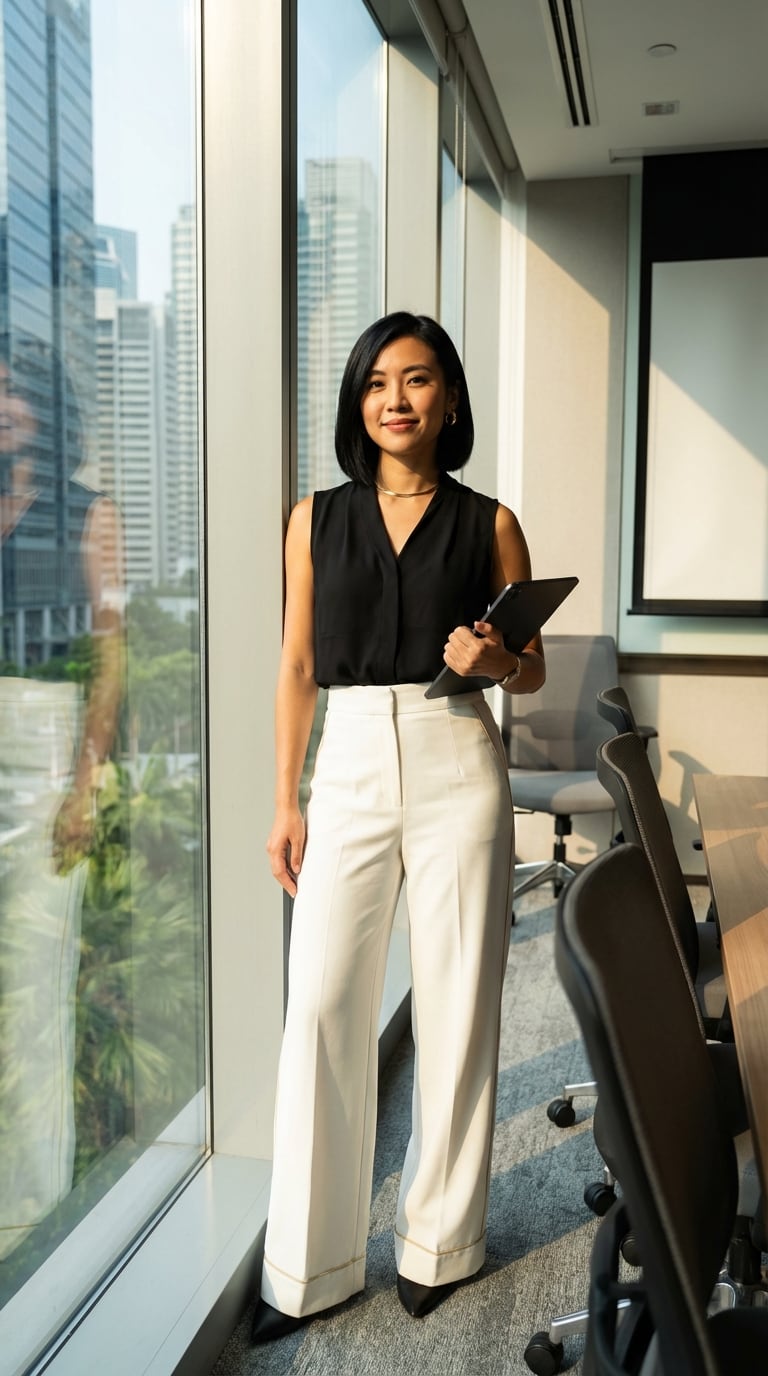
Office outfits must balance polish, comfort, commute, and meeting context.
Women office wear often sits between too casual and too stiff. The proportion of the blazer, shirt, work dress, trousers, and shoes changes how professional and comfortable the outfit feels.
Use the photo preview to compare shoulder line, waist placement, trouser or dress length, and business-casual formality. Check comfort, movement, and size on the clothes.
women office context starts with the occasion, then moves to color, silhouette, and garment length.
Clear blazers, shirts, work dresses, skirts, trousers, or business casual screenshots make color, volume, and layers easier to review.
Treat too casual, too stiff, wrong trouser length, or flat color as a list of details to verify with measurements, fabric information, or physical try-on.
Do not replace every piece at once. Compare the item that changes the silhouette or color story.
Start with office dress code, meeting type, commute, weather, and whether your upper body needs to read well on calls.
Prioritize blazers, trousers, skirts, work dresses, or shirts because they control the silhouette most.
After previewing, check shoulder line, waist placement, sitting comfort, office-appropriate color, and whether the look is overly formal.
Use the preview to compare shoulder line; verify size, fabric, movement, and comfort on the actual garment.
Start with the office dress code, meetings, commute, and weather. Then build around blazers, shirts, work dresses, trousers, skirts, and comfortable shoes.
Reliable options include a blazer with straight trousers, a shirt with a skirt, knitwear with wide-leg trousers, or a work dress with a light layer. Keep the line polished and the color intentional.
Yes. Preview the pieces that control silhouette first: blazer, trousers, skirt, dress, or shirt. Compare shoulder line, waist placement, garment length, and overall polish, then check size in person.
Check whether the direction suits the setting, creates clean proportions, works with your coloring, and balances professional with natural. Confirm movement and comfort on the clothes.
Explore More
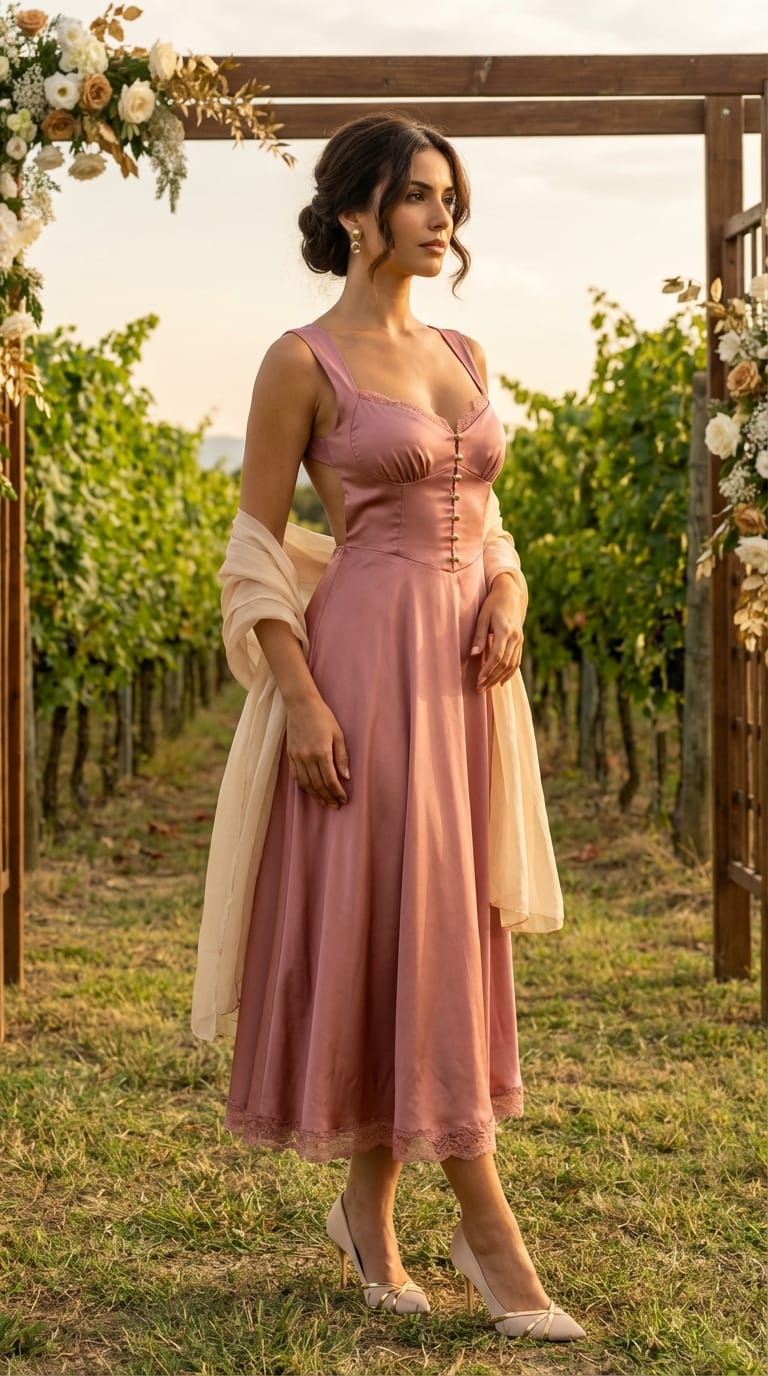
Plan a guest look around the dress code, venue, and season, then compare color, silhouette, and length on your photo.
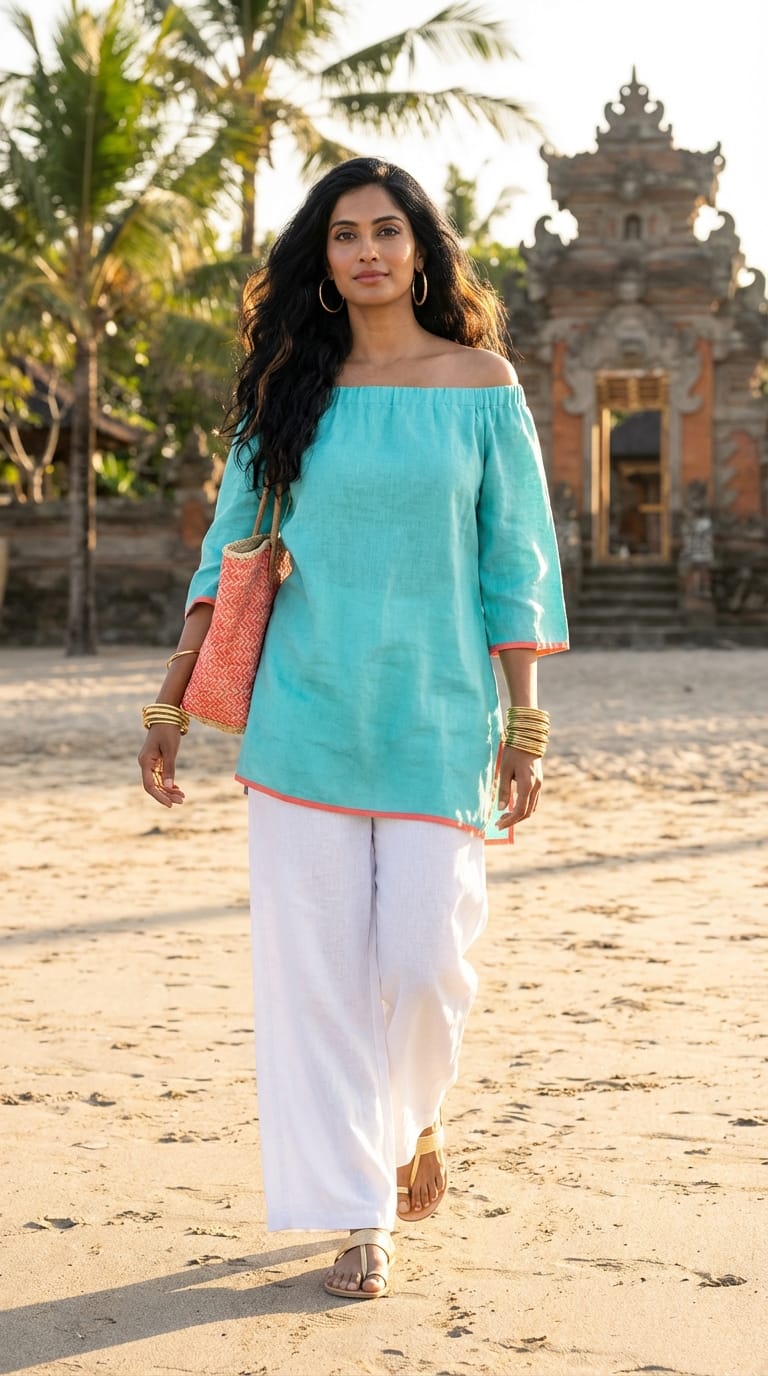
Build warm-weather looks with dresses, shorts, tanks, and light layers, then compare color balance and silhouette on your photo.
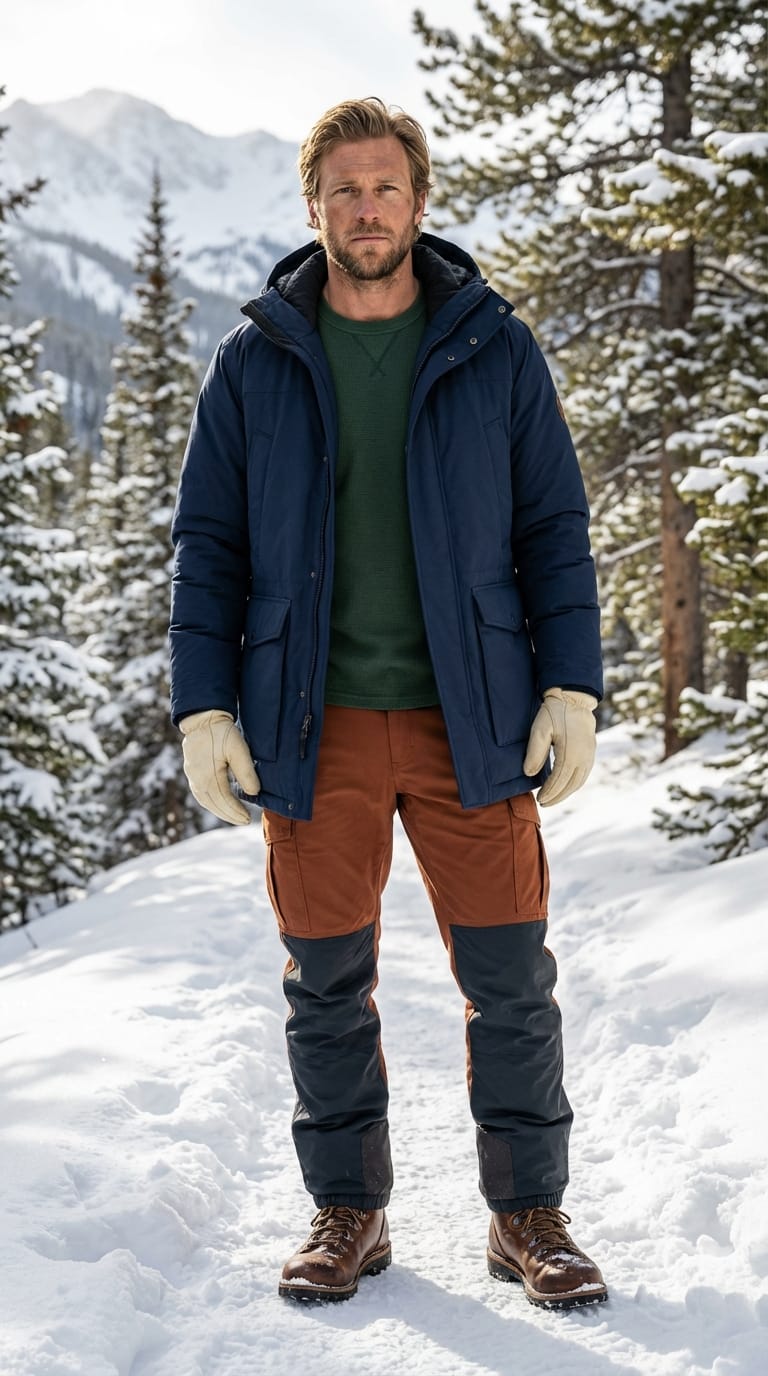
Compare puffers, wool coats, trenches, and parkas on your photo to review volume, hem length, color, and layering direction.
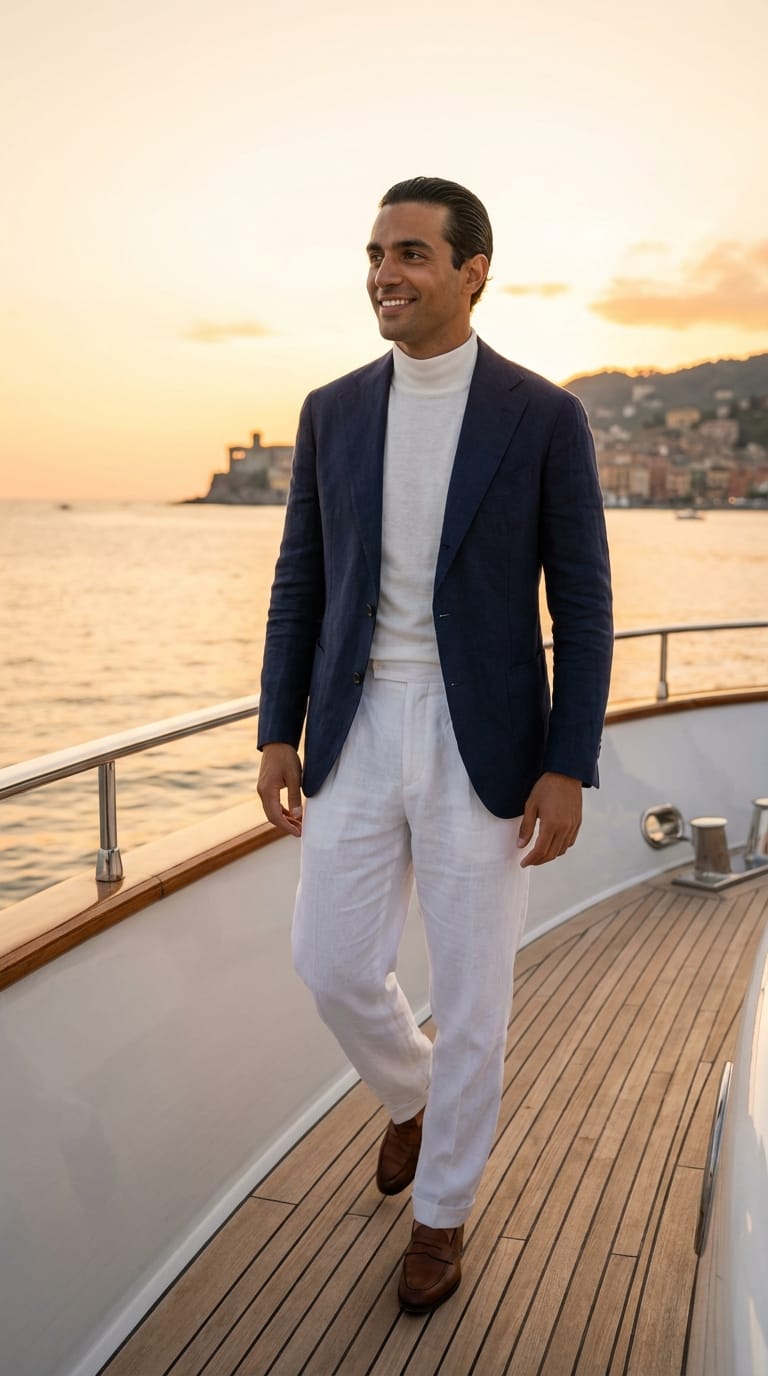
Combine knitwear, shirts, tailored trousers, loafers, and coats, then compare restrained color, clean lines, and length on your photo.
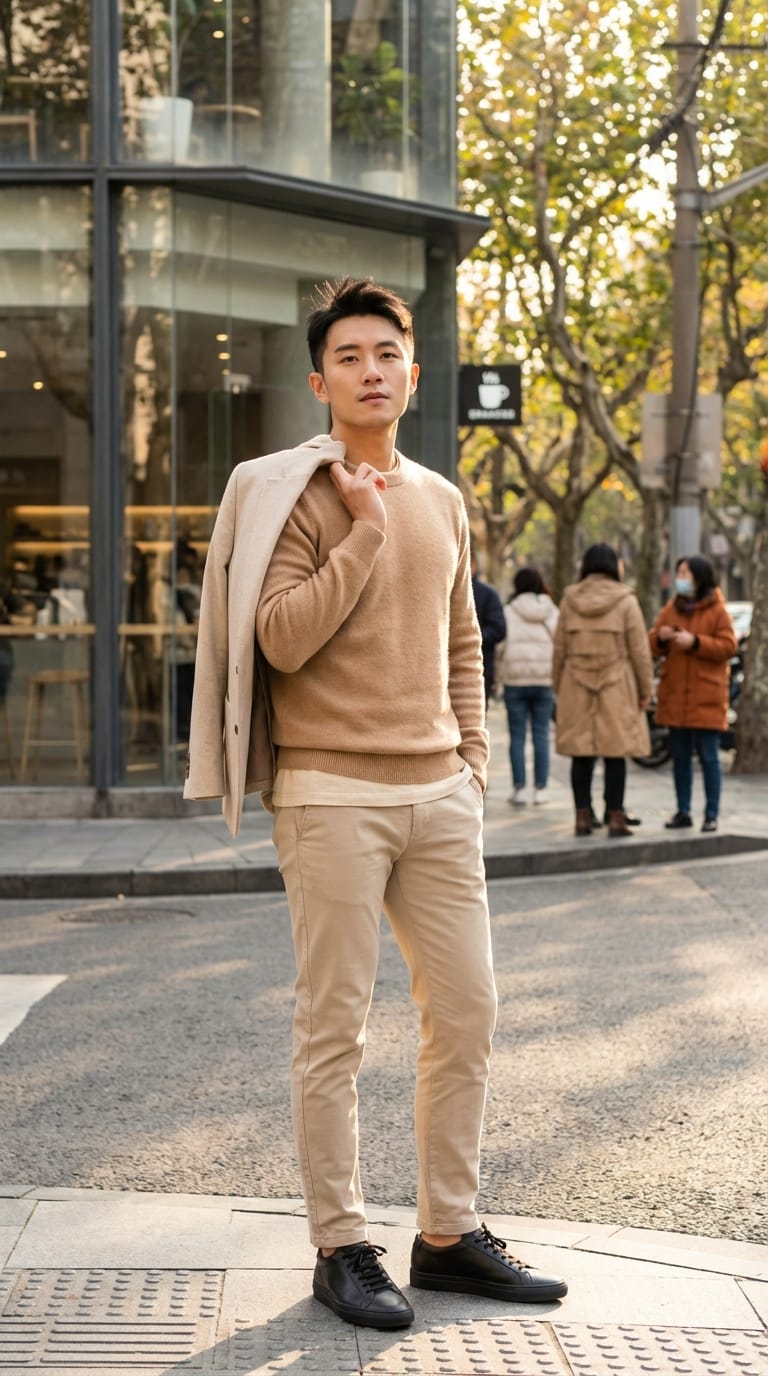
Learn how Korean minimal outfits use relaxed tailoring, soft neutrals, and clean layers; compare color, silhouette, and length before choosing pieces.
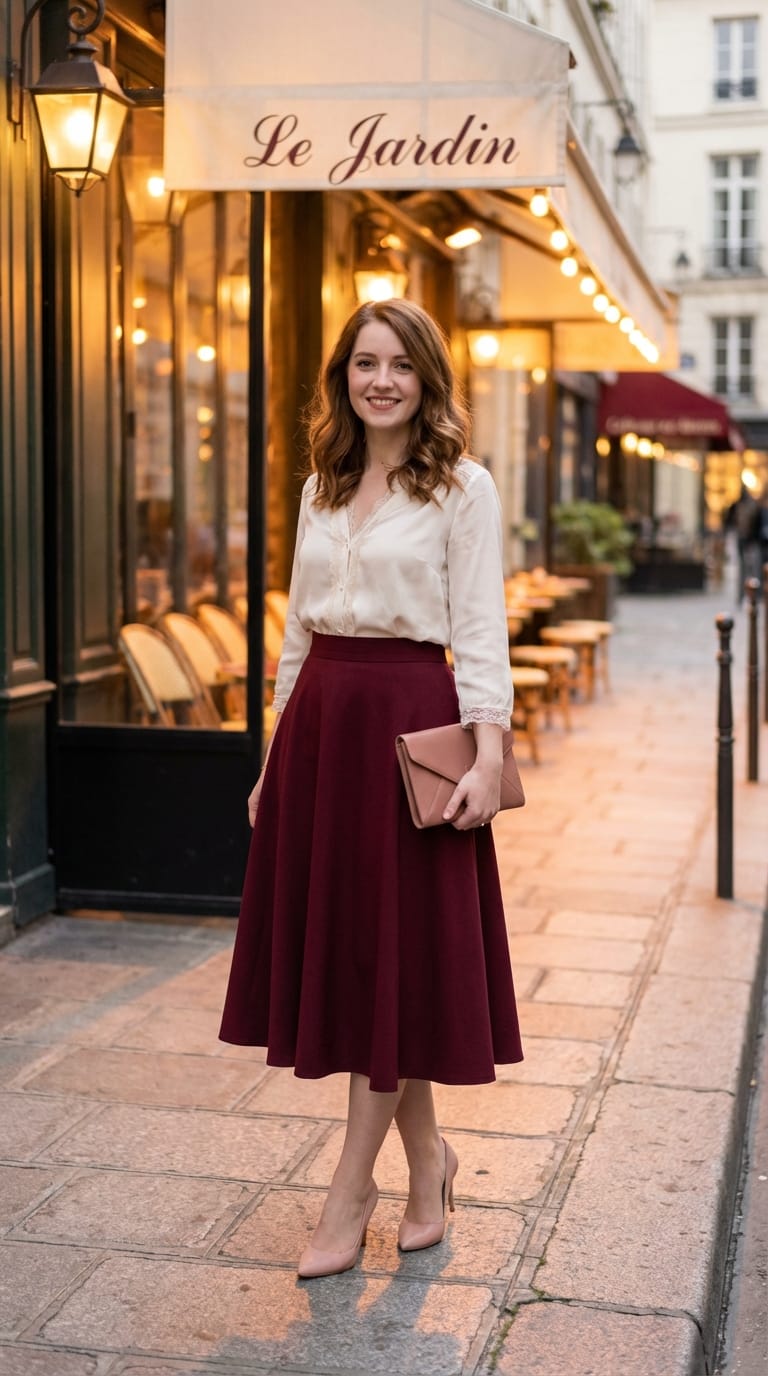
See how French chic combines familiar denim, fluid blouses, trench coats, and restrained accessories without turning everyday clothes into a costume.
Plan a wedding guest outfit from the invitation, venue, weather, and schedule; compare color, silhouette, and length before buying or tailoring.
Use the role, team, and company culture to set formality, then compare outfit color, silhouette, and overall direction before interview day.
Set up your account and learn the main styling and preview workflows.
Use body proportions as one styling input, then assess garment measurements, comfort, tailoring, and the look you prefer.
Start here
Upload your photo and a clothing image to compare color, silhouette, length, and layers, then check size on the actual garment.