AI Fashion Stylists and Human Stylists Compared
Compare AI and human styling by cost, availability, context, visual previews, and the kinds of decisions each handles well.
Add a person photo and a garment image first. Create a free account only when you are ready to generate.
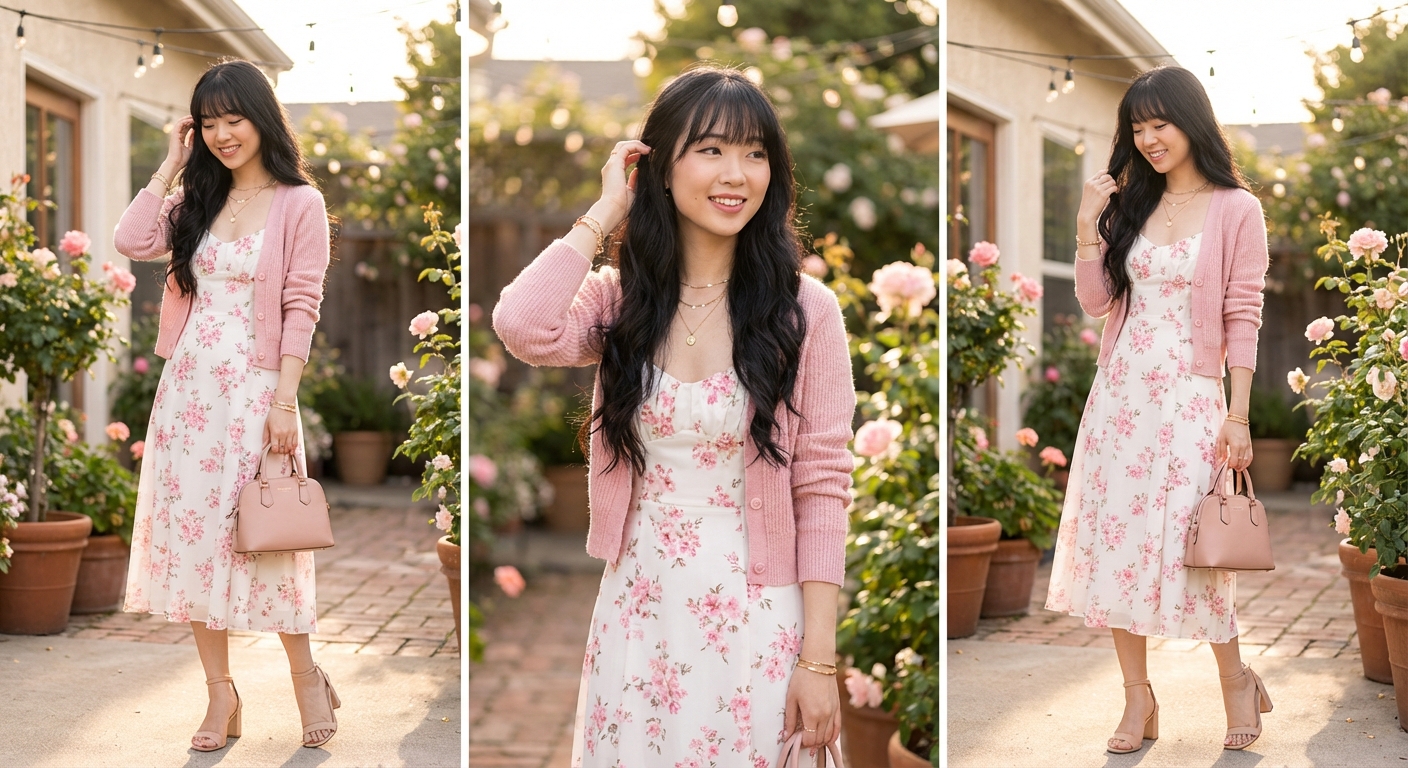
They Solve Different Parts of the Problem
An AI styling tool can quickly produce outfit directions from the details you enter. A human stylist can ask follow-up questions, inspect garments, notice hesitation, and work through a wardrobe with you. The better option depends on the decision you need to make.
Cost
Human stylist: Pricing varies by location, experience, session type, and whether shopping or alterations are included.
AI stylist: Usually offered through free usage, credits, or subscriptions. Check the current pricing page because plans can change.
Practical difference: AI is generally easier to use frequently; a human service may make more sense for a focused project.
Availability
Human stylist: Requires scheduling and may involve an in-person or video appointment.
AI stylist: Can respond when the service is available, without coordinating a meeting. Generation time varies by feature and demand.
Practical difference: AI suits quick everyday prompts, while a scheduled session creates time for deeper discussion.
Personal Context
Human stylist: Can learn how clothes feel, what you avoid, how your work and social life overlap, and why previous purchases failed.
AI stylist: Can consistently use the profile details and constraints you provide, but it may miss unspoken preferences or context.
Practical difference: The quality of an AI suggestion depends heavily on the information in the request.
Visual Preview
Human stylist: Can fit garments in person, pin alterations, and assess movement and fabric directly.
AI stylist: Can create a visual preview of a garment or outfit on a photo, which is useful before you have the item in hand.
Practical difference: AI expands early visual exploration; a physical fitting provides real evidence about size, comfort, and movement.
Fashion Knowledge and Taste
Human stylist: Can interpret culture, subtext, workplace norms, and emerging references through professional experience.
AI stylist: Can offer a broad range of familiar styles and variations, but the output still needs review for relevance and originality.
When AI Is Useful
- Drafting daily outfits from clear constraints
- Exploring several style directions before shopping
- Previewing color and silhouette on a photo
- Turning one garment into multiple outfit ideas
When a Human Stylist Is Useful
- Planning a major event or career transition
- Auditing an existing wardrobe in person
- Coordinating purchases, tailoring, and long-term wardrobe goals
- Working through preferences that are difficult to express in a prompt
You Can Use Both
Use AI for drafts and routine decisions, then bring a clearer brief to a human stylist when the stakes or investment are higher. Neither option removes the need to check measurements, comfort, budget, and whether you want to wear the result.
How to use this guide next
If you already have a garment or shopping screenshot, see how LookMate AI online try-on compares silhouette, color, and proportion on your own photo. If you are still planning the look, start with AI outfit recommendations, then compare related ideas in the outfit topic library.
For more previews or cleaner exports, review the pricing and credit plans. For better try-on inputs, follow the virtual try-on guide.
Related reading
- How to Choose Clothes for Your Proportions - Use body proportions as one styling input, then assess garment measurements, comfort, tailoring, and the look you prefer.
- Seven AI Virtual Try-On Tools and Their Limits - Compare seven virtual try-on tools by access, supported products, personalization, and limitations without treating this list as a ranking.
- Five Breathable Summer Outfit Ideas for 2026 - Try five breathable summer outfit formulas built around linen, cotton, balanced proportions, and pieces that can be worn repeatedly.
- Learn how to try your next clothing item online - review supported images, preview scope, and limitations.
AI try-on is a visual preview of color, silhouette, and styling direction. It does not confirm size, physical fit, fabric feel, or comfort.
Share this article
Start here
Have a garment or shopping screenshot ready?
Upload your photo and garment image first. Create a free account when you generate; 3 starter credits cover one standard preview.
Explore More
Continue reading
How to Choose Clothes for Your Proportions
Use body proportions as one styling input, then assess garment measurements, comfort, tailoring, and the look you prefer.
Seven AI Virtual Try-On Tools and Their Limits
Compare seven virtual try-on tools by access, supported products, personalization, and limitations without treating this list as a ranking.
Five Breathable Summer Outfit Ideas for 2026
Try five breathable summer outfit formulas built around linen, cotton, balanced proportions, and pieces that can be worn repeatedly.